


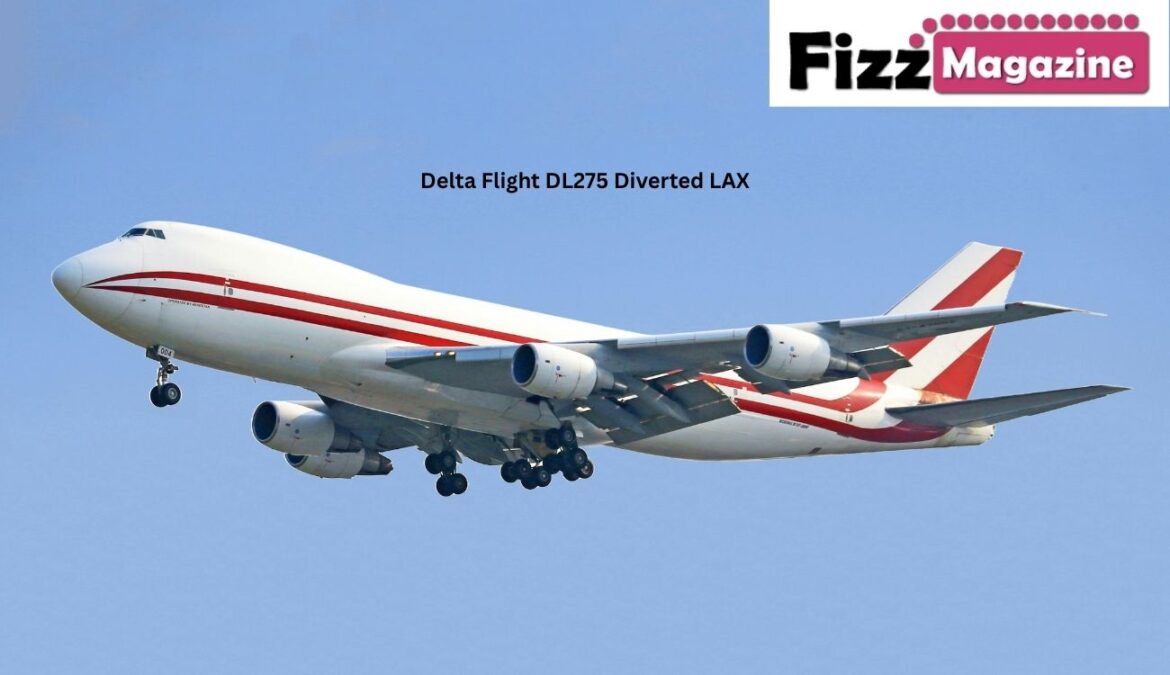
The incident involving Delta Flight DL275 Diverted LAX drew global attention and raised fresh questions about aviation safety. What began as a routine long-haul journey from Detroit to Tokyo turned into a high-stakes diversion over the Pacific. The aircraft landed safely, but the story behind the decision reveals how modern aviation handles risk in real time.
This article breaks down what happened, why it happened, and what it means for airlines and passengers. It also highlights new insights into aircraft systems and the growing role of predictive technology.
Timeline of Events in the Air
Departure and Early Flight
Delta Flight DL275 departed Detroit at 15:53 local time on May 27, 2025. The flight had a slight delay due to aircraft rotation, but conditions were stable. Passengers expected a smooth journey across the Pacific.
Mid-Air Alert
Hours into the flight, while cruising at 38,000 feet, sensors flagged a fault in the Rolls-Royce Trent XWB engine system. The issue involved the anti-ice function, which prevents ice buildup in critical engine areas.
The aircraft was about 620 nautical miles southwest of Anchorage when the warning appeared.
Decision Point
Pilots evaluated three options:
-
Continue to Tokyo
-
Return to Detroit
-
Divert to a closer hub
They chose to divert. The decision aligned with safety protocols and risk management practices.
Safe Landing
At 01:08 AM on May 28, Delta Flight DL275 diverted LAX and landed safely. Emergency crews stood ready, but no injuries occurred.
Why the Anti-Ice System Matters
Role of Anti-Ice Technology
Jet engines operate in extreme conditions. At high altitude, temperatures drop far below freezing. Ice can form on engine components and disrupt airflow.
The anti-ice system prevents this buildup. If it fails, engine performance may degrade. In worst cases, it can lead to engine shutdown.
Why the Issue Was Serious
The malfunction did not cause immediate danger, but it increased risk over time. Flying long distances over cold ocean regions without full anti-ice protection is not advisable.
This explains why Delta Flight DL275 Diverted LAX instead of continuing toward Japan.
Why Los Angeles Was Chosen
Strong Technical Support
LAX is a major Delta hub. It has certified facilities for Airbus A350 aircraft and access to Rolls-Royce specialists.
Better Passenger Handling
Los Angeles offers many onward flights to Tokyo. This made rebooking easier for travelers.
Safety Factors
The airport has long runways and stable weather. It also supports emergency operations around the clock.
These factors made LAX the most practical choice during the Delta Flight DL275 Diverted LAX situation.
Newly Revealed Insights into the Incident
Early Warning Signals May Have Been Missed
New aviation analysis suggests that small fluctuations in engine data may have appeared before departure. These signals were not strong enough to delay the flight.
This raises questions about current monitoring thresholds.
Sensor Sensitivity Limits
Modern aircraft rely on sensors. However, sensors must balance accuracy with false alarms. In this case, the system flagged the issue only after reaching cruise altitude.
Maintenance Gaps
Experts now believe that improving pre-flight diagnostics could reduce such incidents. Enhanced scanning tools may detect early-stage faults that standard checks miss.
These insights add depth to the story behind Delta Flight DL275 Diverted LAX.
The Role of AI in Preventing Future Incidents
Predictive Maintenance
Artificial intelligence can analyze engine data patterns. It can detect subtle changes before they become serious.
Real-Time Monitoring
AI systems can monitor flights continuously. They can alert ground crews even before pilots notice a problem.
Smarter Decision Support
AI tools can help pilots choose the safest diversion route based on weather, fuel, and airport readiness.
Had these systems been fully deployed, the Delta Flight DL275 Diverted LAX event might have been avoided.
Passenger Experience During the Diversion
Cabin Communication
Passengers reported clear updates from the crew. Pilots explained the situation without causing panic.
In-Flight Atmosphere
The cabin remained calm. Flight attendants followed safety procedures and reassured travelers.
After Landing
Delta arranged hotel stays and rebooked flights. Some passengers reached Tokyo within a day, while others faced delays.
The handling of passengers during Delta Flight DL275 Diverted LAX received positive feedback overall.
Financial Impact on Delta Air Lines
Direct Costs
The diversion cost includes fuel, landing fees, maintenance, and passenger care. The total estimate stands near $2.3 million.
Indirect Costs
There are also scheduling disruptions and reputational considerations. Aircraft downtime affects other routes.
Long-Term Effects
While costly, such decisions protect brand trust. Safety remains the airline’s top priority.
Broader Implications for Aviation Safety
A Shift Toward Proactive Systems
The Delta Flight DL275 Diverted LAX case highlights the limits of reactive maintenance. Airlines now look toward predictive solutions.
Increasing Aircraft Complexity
Modern jets are more advanced. This increases efficiency but also introduces new failure points.
Industry Response
Regulators and manufacturers may review guidelines for engine monitoring systems. Updates could follow.
What Travelers Should Know
If you are flying long-haul routes:
-
Monitor flight updates through airline apps
-
Expect occasional delays due to safety checks
-
Understand that diversions are rare but necessary
The Delta Flight DL275 Diverted LAX event shows that safety decisions often prioritize caution over convenience.
Final Thoughts
The story of Delta Flight DL275 Diverted LAX is not just about a single flight. It reflects how aviation continues to evolve. The safe landing proves that current systems work, but the incident also shows where improvements are needed.
Technology, especially AI, will shape the future of air travel. Airlines that invest in smarter systems will reduce disruptions and improve safety.
FAQs
1. Why was Delta Flight DL275 diverted to LAX?
The flight diverted due to a malfunction in the engine’s anti-ice system. This system prevents ice buildup at high altitudes. Without it, engine performance can decline over time. The pilots chose to divert as a precaution to ensure passenger safety. Even though the aircraft remained stable, continuing across the Pacific posed unnecessary risk. The decision followed strict aviation safety guidelines.
2. Was the situation dangerous for passengers?
The situation did not pose immediate danger, but it had the potential to become serious if ignored. Aircraft systems are designed with multiple layers of safety. The crew acted early, which reduced risk. Passengers remained safe throughout the journey. The calm cabin environment and smooth landing show how well such situations are managed.
3. Why did the flight not return to Detroit?
Returning to Detroit would have taken longer and used more fuel. The aircraft was already closer to the West Coast. Los Angeles offered better technical support and faster passenger rebooking options. The decision balanced safety, efficiency, and logistics. This is standard practice in long-haul flight operations.
4. Could this issue have been prevented?
Experts believe there is a strong chance it could have been prevented with advanced predictive maintenance tools. These systems analyze engine data in detail. They can detect minor irregularities before they become major faults. Current systems are effective, but they may not catch every early signal. This incident highlights the need for improved diagnostics.
5. What happens to passengers after a diversion?
Airlines follow a structured process. First, they ensure passenger safety during landing. Then they arrange accommodations, meals, and rebooking. In this case, Delta used its network at LAX to send passengers to Tokyo on later flights. Compensation may also be offered depending on policies and delays.
6. How common are flight diversions like this?
Diversions are rare in commercial aviation. When they occur, they are usually precautionary. Aircraft are designed to handle technical issues safely. Pilots train for such events regularly. The Delta Flight DL275 Diverted LAX case may seem dramatic, but it reflects a system working as intended to protect passengers.
